
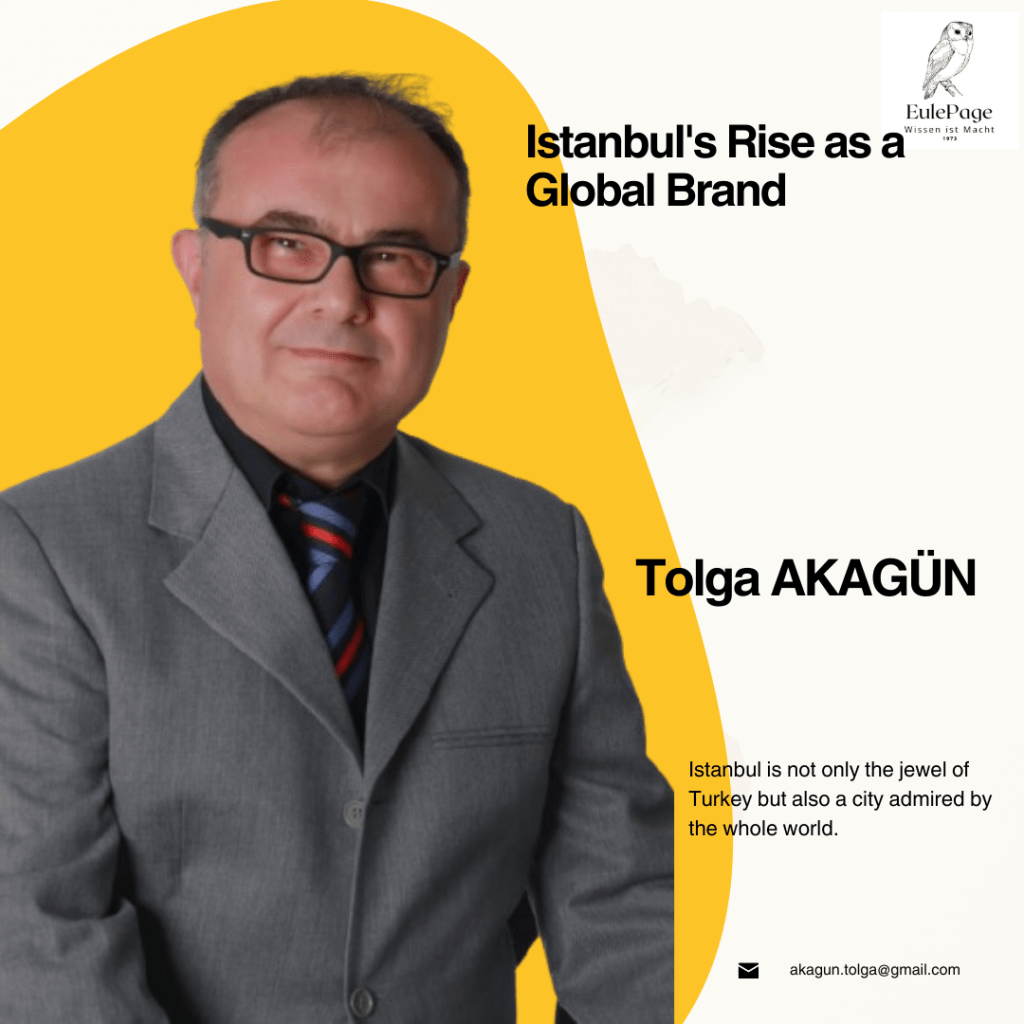
Istanbul’s Rise as a Global Brand
Istanbul is not only the jewel of Turkey but also a city admired by the whole world. With its historical richness, cultural diversity, religious structures, and strategic location, Istanbul has become an important center for both tourism and trade. One of the key factors contributing to Istanbul’s emergence as a global brand is its religious tourism potential and cultural heritage.
Istanbul, as a meeting point between the East and West, was the capital of the Ottoman Empire and has historically been a city of religious significance for both Muslims and Christians. Iconic structures such as the Hagia Sophia, the Sultanahmet Mosque, and the Topkapi Palace symbolize Istanbul’s religious and cultural identity. These structures have attracted the attention of not only Turkey but the entire world, with millions of tourists visiting them every year. The reopening of the Hagia Sophia as a mosque, the unique architecture of the Sultanahmet Mosque, and the glorious history of the Topkapi Palace make the city an important destination for both religious and cultural tourism.
Another important factor in Istanbul’s rise as a global brand is its international promotion. Istanbul promotes itself not only on the local level but also globally through tourism fairs, documentaries, academic studies, and media publicity. The city collaborates with international organizations such as UNESCO and institutions involved in cultural heritage preservation like ICOMOS to ensure the conservation of its religious and cultural heritage while developing sustainable tourism policies. Through these efforts, Istanbul’s historical riches are being promoted as a global brand, and the city’s appeal continues to grow every year.
Moreover, universities and research institutes in Istanbul contribute to the visibility of the city by conducting academic research on its cultural heritage. Scientific studies on the Hagia Sophia and Sultanahmet Mosque help Istanbul gain more recognition worldwide and reinforce the global interest in religious tourism. These academic efforts provide scientific contributions to the preservation of cultural heritage and its integration into tourism.
Social media and digital platforms also play a crucial role in Istanbul’s promotion as a global brand. Through virtual tours, 3D modeling, digital archives, and webinars, Istanbul’s historical mosques and religious structures are being promoted globally via digital platforms. Thanks to these digital projects, Istanbul is not only boosting its tourism sector but also making its cultural heritage more accessible on a global scale.
Istanbul is also globally recognized for elements such as traditional Turkish cuisine and handicrafts. The city’s restaurants, souvenir shops, and artisan workshops are among the factors that strengthen its identity as a cultural brand. Traditional Turkish handicrafts and Ottoman-inspired products attract tourists while revitalizing the local economy. These elements ensure Istanbul’s economic growth while preserving its cultural assets sustainably.
Another key aspect in Istanbul’s emergence as a global brand is the city’s cultural diplomacy and international relations policies. The city promotes itself globally through international festivals, exhibitions, and conferences in both the arts and tourism sectors. Events such as the Istanbul Film Festival, the Istanbul International Jazz Festival, and the Istanbul Biennale not only enhance Istanbul’s artistic reputation but also elevate its cultural visibility worldwide.
In conclusion, Istanbul’s rise as a global brand is not only limited to tourism and economy but also contributes to the preservation of cultural heritage, the development of arts and science. With its religious structures and cultural diversity, Istanbul is becoming more and more recognized every year, establishing itself as a unique city and a global brand.
Tolga AKAGÜN
 EulePage
Yorum yazabilmek için oturum açmalısınız.